For those who have suffered the loss of a child. A story exploring the dynamics of mental illness, suicide, hope and recovery.

Preface
This book is not really a narrative about my son. Although his presence reveals itself over and over again. It is the story of a mother struggling with a loss so profound it feels palpable. It assumes a persons of its own. It is the creature from Hell. It rips and tears and leaves you dumbfounded and broken.
Your reality splinters into a myriad of pieces and influences fragments of your life you never knew existed. Reassembling this shattered reality seems unattainable, because this journey is dark. It is brutal. It is harrowing.
It is tempting to embrace the dark. Figuratively and literally. Figuratively, our minds are tormented with the darkest thoughts, regrets and memories. Literally, we find ourselves seeking refuge in dark rooms with doors shut and curtains drawn.
I’m publishing this memoir for the mothers, fathers and family members who have suffered the loss of a child. This loss defies all that is humane and good in this world. It is beyond comprehension and there is no known equation where the common factors produce a logical answer. We are reduced to seeking out our own answers.
This book does not claim to hold such answers. We are our own individuals with our own unique set of factors. Yet I’m hoping that you might find the various journal entries relatable to some of your own experiences. And that you may come to the realization that during the hundreds of hours that you have felt lonely that you were not actually alone. There are others who are navigating this agonizing journey. It is unfortunately a well trodden path.
The journal portion of this memoir is raw and unedited. As tempted as I was to edit portions of it, I did not. It expresses unbearable grief and hopelessness, but its pages also contain hope and exclusive insight. As unfathomable as this journey presents itself, we have no recourse but to navigate through.
Another objective for writing this book is for the individuals who have not suffered a loss but are intimately acquainted with someone who has. Perhaps it will illicit insight into the immense struggle the loved one is experiencing. It may help them garner the compassion and tools they need to succor, love and support the individual.
There exists no quantifiable timetable for grieving. There is a well known adage-“Time heals all wounds”. There is truth and fallacy in this statement. Intellectually, our finite knowledge of what entails recovery is learned and we attempt to process the loss.
Healing, however, resides beyond the parameters of time. It is almost never complete. I wept almost every day for several years. The last few years my tears have lessened in frequency. Smiles and laughter slowly feel more authentic. Gratitude takes on a new perspective. The mind is not as much consumed with what one has lost, but with the blessings one presently has. There are still days I sob incessantly. As time progresses, life begins to assume a persona of normalcy. Perhaps this is what constitutes healing. It does constitute progress.
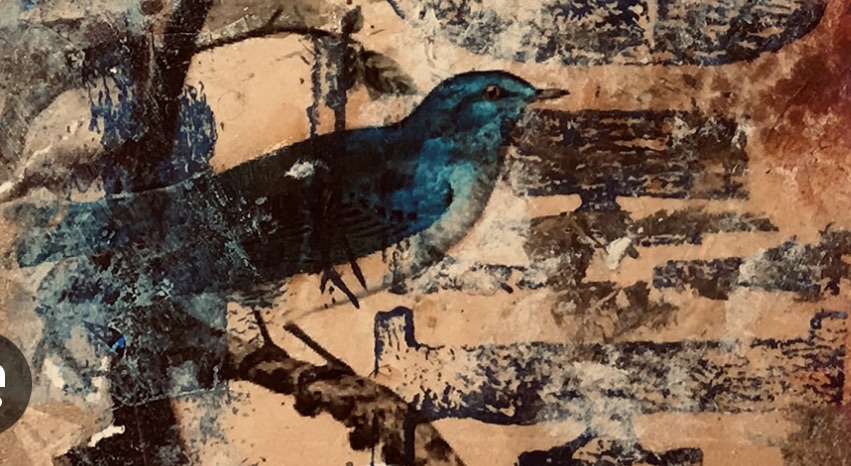
I spent several years defining the title of this book. The name “Nightingale” kept resonating with me. I only knew of it as a bird that sings at night-until I did a little research. Serendipity is a term I use very infrequently but I thought it quite applicable to this situation. It all fell into place. Quickly and decisively I selected a title: “Season of the Nightingale”.
The nightingale’s song is noted for its impressive range. It is often loud and unmistakable with its accompanying whistles, trills and gurgles. The nightingale primarily sings at night and is heard most often during the spring and summer months.
In English literature, the nightingale’s song symbolizes the coming of spring and rebirth. In Homer’s poem, “The Odyssey “, for example, Homer describes a nightingale singing in the woods “when springtime has just begun”*(19.519). The ushering in of spring denotes new growth. We witness it in the fresh blades of grass which shoot through the moist soil. Or tender leaves sprouting on the fig tree.
In the context of this preface, growth metaphorically symbolizes the beginnings of recovery. As spring slowly restores the rosebush to its effluent blossoms and vibrant colors, in likeness a restorative healing of our own spirits can begin. As there is no quantifiable timetable for grieving, similarly there is no quantifiable timetable for healing. It is in reality a continuous process. For me, the journey has been ongoing for ten years.

Some days the nightingale is silent for me. Other days I hear its definitive song. I emphatically embrace these days and declare myself victorious.